Lula Faces Bolsonaro in Brazil Run-Off as Labor Market Shifts
Brazil prepares to vote on October 26 amid a shift in workforce composition that is influencing the contest between the current president and his challenger.
By Imani Brooks ·
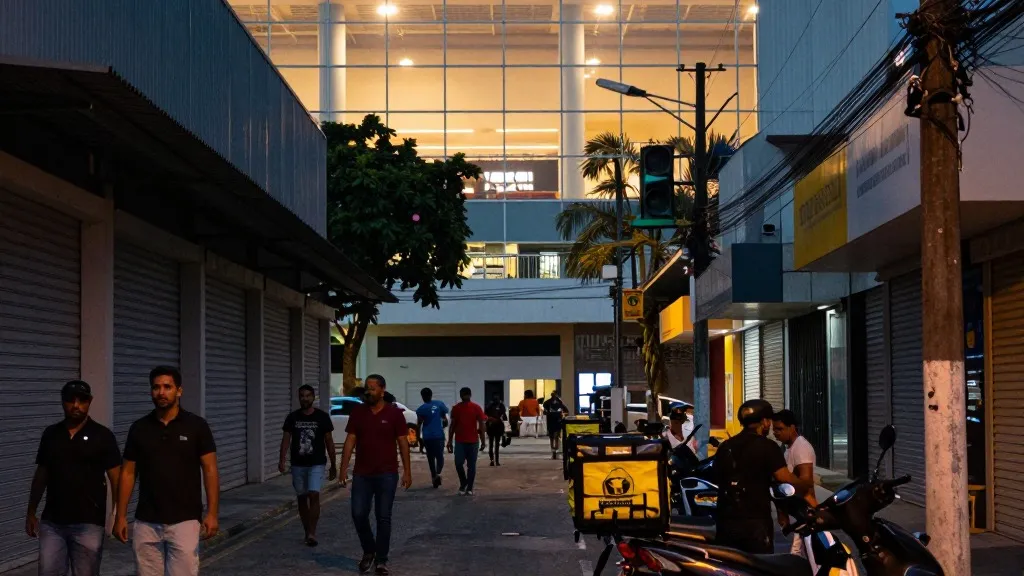
Luiz Inácio Lula da Silva faces Flávio Bolsonaro in a presidential run-off scheduled for October 26. The campaign centers on economic policy and the changing nature of work in the country. In Osasco, a former industrial hub now compared to a technology center for São Paulo, factories have closed. They were replaced by shopping centers and app-based delivery services. The municipality voted for Lula in 2022 but shifted to Bolsonaro in the first round held earlier this month. Bolsonaro won that first round nationally, a result that has historically led to victory for the eventual president.
The campaign reflects a transformation in how citizens earn a living. Gilberto Almazan, a metalworkers' union leader in Osasco, reports that metal, chemical, and textile factories have disappeared. He states that the working class is no longer mainly industrial. He describes the union movement that historically supported Lula as stuck in the "Middle Ages." Many residents now work as drivers, food couriers, or small traders. Almazan refers to this trend as "Uber-isation." He argues that these workers often prefer flexible hours over welfare and collective action. Richard Lapper, author of biographies on Lula and Jair Bolsonaro, notes that Brazil industrialized late and deindustrialized early. He calls Lula a "victim of his own success." Lapper describes a crisis of expectations where people are better off but do not feel it due to higher prices, debt, and interest rates.
Voters express mixed views on the current administration. Unemployment fell to a record low, and Brazil was removed from the UN Hunger Map under Lula. Robson, a civil servant who grew up supporting Lula, blames government mismanagement for high taxes. Hot dog seller Tairine plans to vote for Bolsonaro, stating nothing has changed. Lawyer Gisele Bonfim, who voted for Lula in 2022, says Bolsonaro brings "the hope of change." Flávio Bolsonaro has proposed cutting government spending, ministries, and some taxes. He also plans to keep some of Lula's welfare programs. He faces corruption accusations, which he denies. In the first round, 33 million people did not vote, the highest abstention since 1998.
Lula's campaign responds with large street rallies, including one in São Paulo that drew about a million people. Lula, 80, uses social media to deny claims he is past his prime, calling himself the "king of selfies." Support remains strong among the poorest. In Maré, a favela in Rio, abstention was high, but Lula won. Vitoria, an 18-year-old mother, praises his minimum wage increase and free medicines. She doubts Bolsonaro's plan to designate the gang Comando Vermelho a terrorist organization, fearing police raids. Resident Andreza Dionísio links low turnout to polling station changes and hopelessness.
Evangelical churches, attended by about a quarter of Brazilians, increasingly provide childcare, employment advice, and food. Pastor Silas Malafaia, under investigation for allegedly obstructing Jair Bolsonaro's coup trial, says the probe is politically motivated. He claims Flávio Bolsonaro shares the church's values on family. The first round appeared to be a rejection of Lula rather than an endorsement of Bolsonaro. "There will never be another Lula," Almazan says. Lula's fate depends on whether voters believe he can offer a new story.
Source: BBC News