171 Flights: Militias Accuse US Jets of Breaking Iraqi Airspace
Iran-backed groups claim American aircraft intruded into Iraqi skies 171 times since the coalition's withdrawal, sparking a dispute over national sovereignty and disarmament timelines.
By William Parker ·
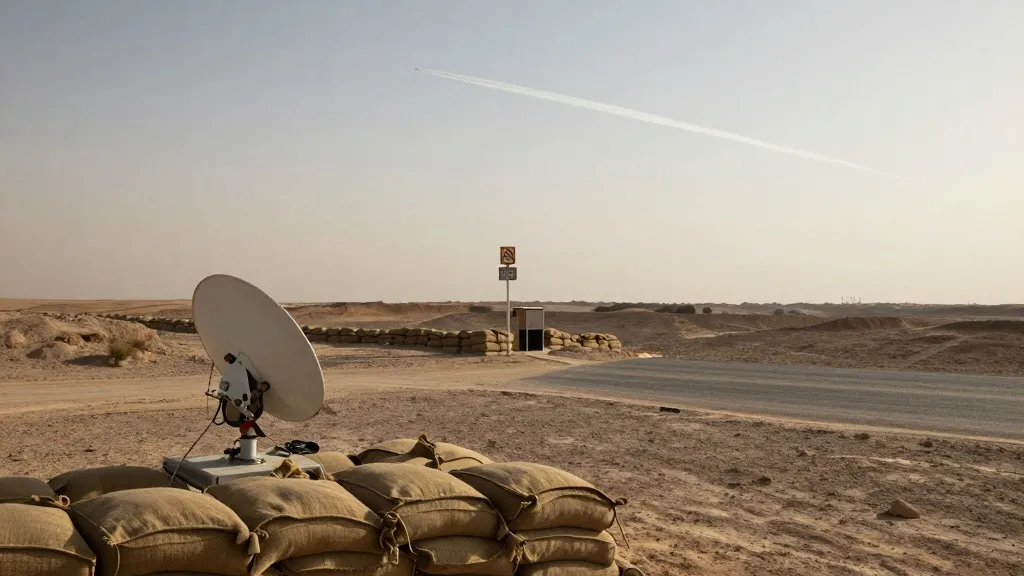
A sharp disagreement has emerged over who controls the skies above Iraq. Iran-backed militias are accusing the United States of repeated airspace violations, a claim that lands at a sensitive moment for Baghdad. The tension highlights a deeper struggle between the Iraqi government’s push for central authority and the continued influence of armed groups aligned with Tehran.
The Islamic Resistance in Iraq, an umbrella organization for various militias, documented 171 alleged intrusions by US fighter jets and reconnaissance planes. These incidents reportedly occurred between September 30 and last Friday. The group stated that the violations happened after the US-led anti-ISIS coalition formally ended its military mission in the country on September 30. While the accusations are not independently verified, they have fueled resentment among factions that feel Washington is still exerting pressure.
The dispute is tied to a broader effort by Prime Minister Ali al-Zaidi to bring militia weapons under state control. Zaidi has set a deadline of June 30, 2027, for the transition. He stated in an interview with Iraqi state media that no weapons should remain outside the framework of the state by that time. However, the plan has not been universally accepted. Some groups, including Kataib Hezbollah and Harakat al-Nujaba, remain opposed to disarmament, while others like Harakat Ansar Allah al-Awfiya and Kataib Sayyid al-Shuhada have expressed willingness to cooperate.
The conflict over airspace is part of a larger regional security picture. The US State Department recently updated its travel advisory for Iraq, warning of increased threats from the Houthis and local militias. The advisory noted that attacks on Saudi Arabia could lead to wider escalation. It specifically highlighted that armed groups inside Iraq, including ISIS and Iran-aligned militias, continue to pose risks to American citizens and international companies.
Washington is also monitoring potential assassination plots against its diplomats. A memorandum from US National Intelligence Director Jay Clayton to Secretary of State Marco Rubio warned that some Iranian plots had reached advanced stages. This intelligence has led to staffing reductions at several embassies. Meanwhile, Iran’s Revolutionary Guard Corps has intensified clashes with the PJAK, an Iranian Kurdish opposition group, using drones and artillery in border regions.
The situation illustrates the complex balance of power in the region. Baghdad is working to consolidate control over armed factions, but it faces resistance from powerful groups that view their weapons as essential for confronting external threats. As the US maintains its presence in the region, it continues to view these militias as a significant security challenge.
Looking ahead, the path to stability remains uncertain. Zaidi insists that Iraq will become a state free of independent factions, with weapons held exclusively by official security forces. However, the recent accusations of airspace violations and the broader regional tensions suggest that achieving this goal will require careful navigation of both domestic and international pressures.
Source: The Jerusalem Post