Ocean Documentary: Authenticity as a Shield Against AI
The new Blue Planet III series retains imperfect footage to distinguish real deep-sea life from synthetic alternatives.
By Kendra Konchanuk ·
The television landscape is shifting as artificial intelligence becomes a more common tool in visual storytelling. In response, the production team for the latest installment of the BBC’s nature franchise has made a deliberate stylistic choice to prioritize raw imagery over high-definition polish.
The new series, titled Blue Planet III, is set to premiere on BBC1 and iPlayer on Sunday, November 1. The broadcast marks a significant milestone for the franchise, arriving nearly a decade after the second series and twenty-five years after the original program first aired. The production aims to deliver fresh insights into marine biology while addressing the growing skepticism audiences feel toward digital media.
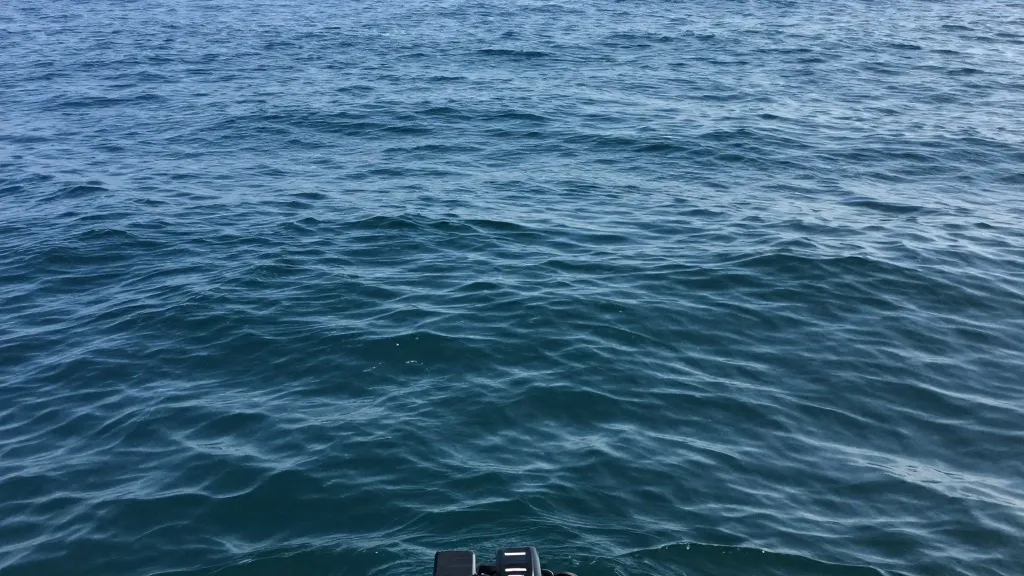
To combat the rise of synthetic imagery, the creators decided to keep certain visual imperfections in the final cut. These include cloudy water, visible boats, and buoys that would have been removed in previous years. This approach is intended to signal to viewers that the footage is genuine and unmanipulated. The team believes that as technology advances, the value of unedited reality will increase.
Elizabeth White, the executive producer, explained that the advancements in AI have pushed the team toward a more organic aesthetic. She noted that the creatures filmed in the deep ocean are often more astonishing than what algorithms can currently generate. White emphasized that the series is completely real, a statement she made to reassure the public in an era of digital fabrication.
Jack Bootle, the BBC’s head of specialist factual commissioning, provided a specific assurance to journalists during a press screening. He stated that no generative AI was used in the series, confirming that every frame is the result of real photography. He described the current period as a golden age for natural history, noting that this new series is filled with novel behaviors that audiences have not seen before.
The series features several unique observations, including dolphins using sea sponges to block holes in coral reefs to trap fish. This behavior was captured using an underwater CCTV camera developed by Yoland Bosiger, the program’s producer and director. Other highlights include a grouper communicating with a different fish species, 200,000 crabs feeding in formation, and sea urchins using shells for protection. A penguin sequence also mirrors a famous moment from the Planet Earth II series.
The production required four years of filming across five oceans. The team developed new tools to capture these scenes, including a mini-dome camera for following octopuses and a device described as a deep-sea selfie stick. Camera operators used leg-mounted scooters to achieve immersive diving angles, and lasers were employed to illuminate deep-sea animals. These innovations allowed for a more dynamic visual experience while maintaining the integrity of the footage.
The series also addresses environmental challenges, such as the impact of warmer seas on sea anemones and clownfish. It continues the focus on plastic pollution and forever chemicals introduced in the previous installment. David Attenborough, who is 100 years old, remains actively involved in the production, making script changes and expressing excitement over new footage. The series is expected to begin its run soon, offering a window into the ocean’s resilience and fragility.
Source: The Guardian