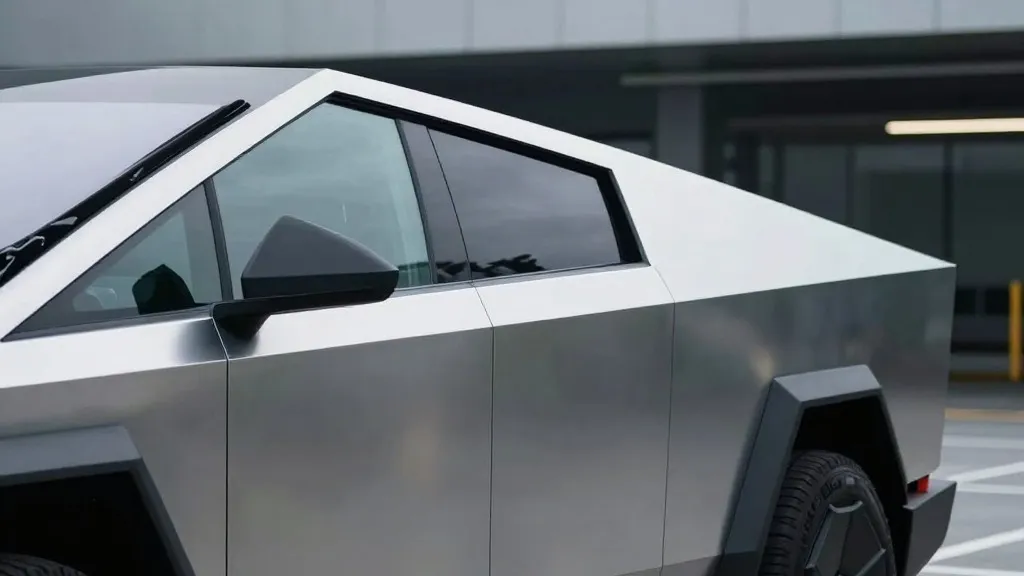
Tesla Abandoning Map-Free Strategy to Build Proprietary Navigation Data
The automaker is developing an internal mapping system derived from its fleet to correct persistent errors in speed limit recognition and route selection.
By Lauren Collins ·
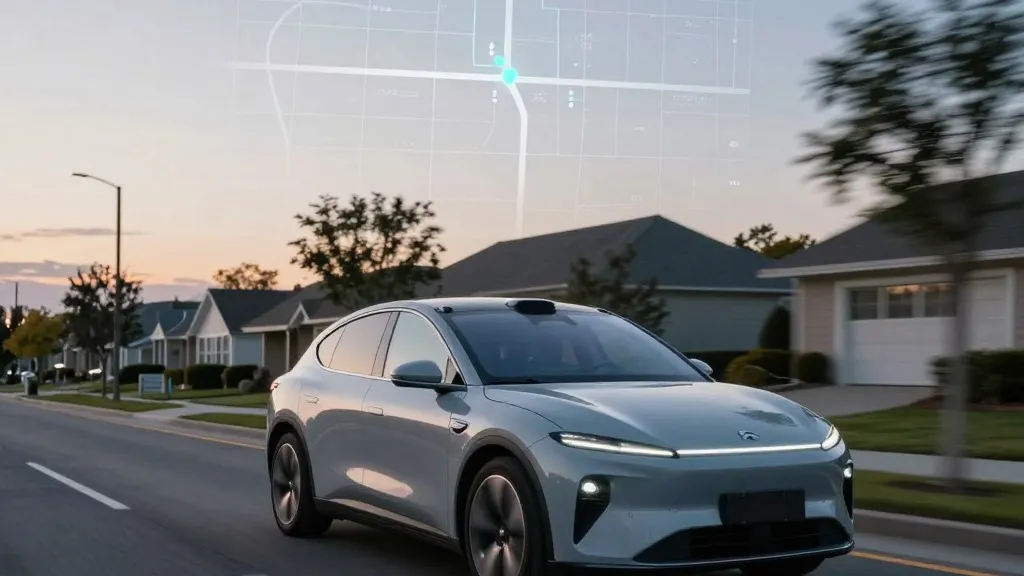
The landscape of autonomous driving technology has long been defined by a philosophical divide regarding the necessity of detailed cartographic data. This division is now narrowing as one of the most prominent electric vehicle manufacturers signals a strategic pivot in its approach to self-driving reliability.
Tesla has officially acknowledged that it is constructing its own map infrastructure to address significant deficiencies in its Full Self-Driving (FSD) software. The decision was announced by Ashok Elluswamy, the company’s Vice President of AI, during the earnings call for the third quarter of 2026. Elluswamy stated that the company should no longer depend on external providers for mapping data, indicating a move toward a self-contained navigation ecosystem.
The specific technical flaws prompting this change include the vehicle’s inconsistent ability to read speed limit signs, identify appropriate parking spaces, and select efficient routes. These issues have been frequently cited by users and safety advocates as primary points of failure for the current system. By leveraging a new AI-based architecture fed by data from its existing fleet, Tesla aims to create a map layer that learns from collective driving experiences and individual driver preferences.
The implementation of this technology will occur in phases. The initial rollout, scheduled with the release of FSD version 15, will focus on managing the start and conclusion of trips. Over the subsequent months, the system is expected to assume control over broader navigation tasks, parking maneuvers, and destination handling. This gradual integration suggests a methodical approach to replacing third-party reliance with proprietary data.
This development represents a significant reversal from the public stance maintained by Tesla’s leadership for nearly a decade. In 2019, CEO Elon Musk famously described high-precision maps as a "huge mistake" and a source of brittleness in self-driving systems. At that time, the company argued that a combination of cameras and artificial intelligence was sufficient for navigation, explicitly dismissing the use of lidar and detailed maps as unnecessary crutches used by competitors like Waymo.
The practical implications of this shift are already visible in real-world performance metrics. Recent findings from a Belgian road safety group indicated that FSD vehicles exceeded speed limits in 55% of tested 30 km/h zones in Brussels. The vehicles often displayed a 50 km/h limit on their screens, suggesting a failure to correctly interpret local signage. Similarly, the U.S. National Highway Traffic Safety Administration is considering an investigation into reports of Tesla Robotaxis speeding through active school zones, involving approximately 1,000 Model Y and Cybercab vehicles.
The new strategy aligns Tesla’s operational model more closely with that of its rivals. Waymo has long utilized a fleet of sensor-equipped vehicles to map cities before launching services and continues to update those maps through ongoing operation. Tesla is now adopting a similar methodology, where the collective data from its customer fleet informs a central map that improves the driving experience for all vehicles. While Tesla does not yet claim to be using centimeter-level high-definition maps, the trajectory suggests an increasing level of detail.
This evolution underscores the complexity of developing reliable autonomous systems. Despite the company's earlier messaging that vision alone could solve driving challenges, the need for a robust map layer highlights the difficulties in accurately understanding the physical environment. As Tesla integrates these new mapping capabilities, the distinction between its approach and that of other major players in the autonomous vehicle market becomes increasingly subtle.
Source: Electrek