Cocaine-Linked Crime Climbs in Britain as Use of the Drug Surges
A Guardian investigation found police recorded a 10% rise in crimes tied to cocaine since 2019, with domestic abuse and drug-driving among the concerns.
By Current Newz Now Staff ·
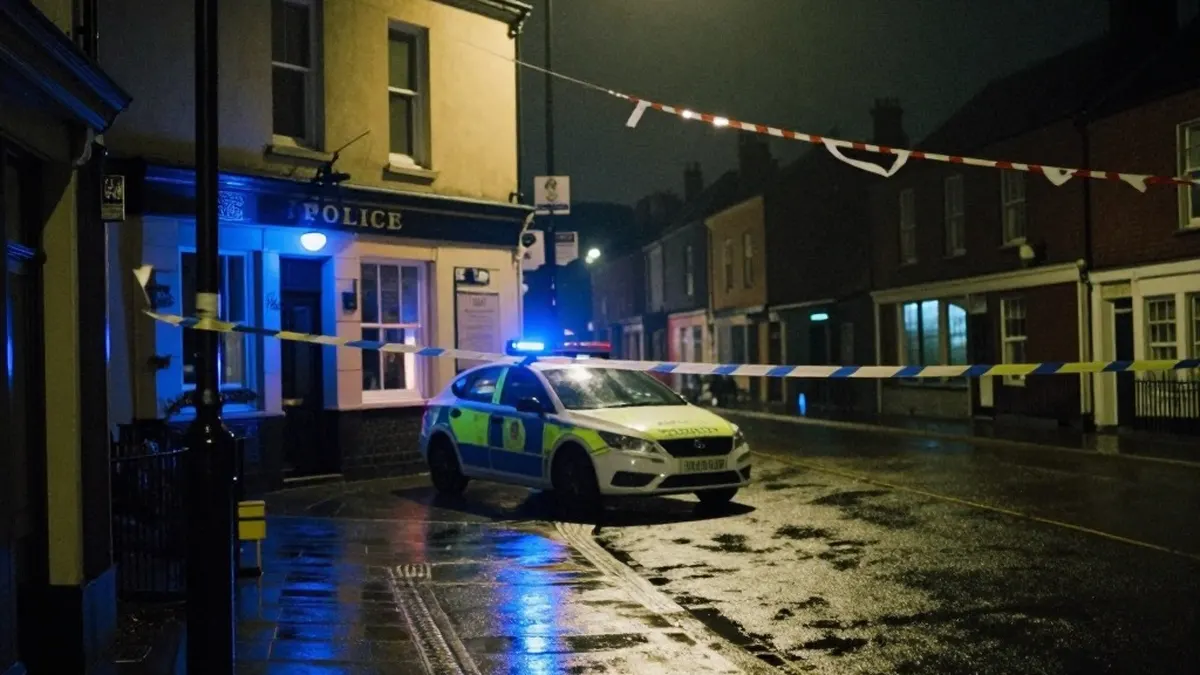
Police in Britain are logging a growing number of crimes connected to cocaine, including assaults, domestic abuse and dangerous driving, as new figures point to a sharp increase in use of the drug across England.
A Guardian investigation found that police forces recorded a 10% rise in crime associated with the class A drug since 2019. Separately, the Home Office estimates that cocaine use at sites across England has grown by 26% since 2021.
Cocaine is a powerful and addictive stimulant that can bring euphoria, overconfidence, restlessness and paranoia. Experts say it can make already tense situations worse, sometimes leading to violence. Historically low prices and consistently high purity have helped drive demand. Wastewater analysis suggests people in England consumed 123,000kg of the drug in 2024-25, equivalent to roughly 2.5bn lines with an estimated street value of almost £10bn.
Police recorded at least 29,922 crimes that mentioned cocaine in 2025, or 63.4 for every 100,000 people, up from 57.7 per 100,000 in 2019. Figures to May this year suggest the rate could reach about 64 per 100,000 in 2026, an increase of more than 10% over seven years. Martin Gallagher, an organised crime expert and author who spent 28 years as a police officer in Scotland, said use had been normalised: "It went from being the drug of the social elite to being something taken off the cistern of a toilet in a local pub."
Most cocaine-related crimes last year were drug offences, but 18% were violent crimes, including stalking and harassment and one murder case. Just under 4% were sexual offences, among them 344 rapes. Separate Home Office drug-test-on-arrest data showed that nearly six in 10 people arrested on suspicion of domestic abuse between July 2025 and June this year tested positive for cocaine. That data is not representative, since some tests were carried out only after police suspected drug use, but it matches a 2023 pilot study in which 59% of domestic abuse suspects tested positive for cocaine or opiates.
Harry Sumnall, a professor in substance use at Liverpool John Moores University, said scientific reviews had found no strong evidence that cocaine directly causes violence. He noted, however, that both perpetrators and survivors of domestic abuse describe intoxication as escalating loss of control and jealousy, and making existing abuse more frequent and severe. He also cautioned that a mention of cocaine in a crime record does not prove the drug caused the offence.
On the roads, DVLA data obtained by the charity IAM RoadSmart showed drug-driving offences overtook drink-driving offences for the first time last year. There were 30,707 drug offences added to licences in 2025, up 28% since 2022, against 29,769 drink-driving offences, down 17%. Government figures indicate cocaine and cannabis are the illegal drugs most often involved in road deaths. Figures obtained by the RAC suggest drug-drivers are far more likely to reoffend, meaning a smaller group of repeat offenders could be behind the rise.
Paul Court, a deputy chief constable and deputy lead for drugs at the National Police Chiefs' Council, said demand sustains a "highly profitable criminal market built upon violence, exploitation and intimidation" and that enforcement alone cannot solve the problem. An independent report last year by the Advisory Council on the Misuse of Drugs found the UK lacks a coordinated drug prevention strategy with dedicated funding, despite international evidence that prevention programmes work. Court said demand must be reduced, people kept from being drawn into drug use, and treatment and support made available to those whose offending or vulnerability is linked to dependency.
The Guardian sent Freedom of Information requests to all 45 UK police forces, and 39 supplied data. Not all had records for every year or a breakdown by crime type, and the Metropolitan police could not provide any data. The figures come from keyword searches of summary notes, so cocaine may not have been part of every offence listed, while misspelled or differently placed mentions may be missing.
Source: The Guardian